Understanding Common Film Issues: Blank Frames, Light Leaks, Misexposure & MoreUpdated 6 months ago
Understanding Common Issues With Your Film
When you receive your scans, you may occasionally notice that some frames don't look quite as expected. In most cases these issues originate in the camera during shooting rather than during our processing. Our lab team flags any notable issues on your order so you know exactly what happened with your roll.
Below is a quick overview of the most common issues we encounter.
Blank Frames
Blank or unexposed frames occur when no light reaches the film on certain shots. This is usually caused by the film not advancing properly, the shutter failing to fire, or incorrect film loading where the film wasn't actually moving through the camera. We only scan frames that contain a visible image, so blank frames are skipped and the number of scans you receive may be less than the total frame count of your roll.
A good habit when loading film is to watch the rewind knob on your camera to confirm it rotates as you advance. If it doesn't move, the film likely isn't loaded correctly.
Light Leaks
Light leaks appear as bright streaks, colour washes, or bands of overexposure, typically along the edges of your frames. They're caused by unwanted light entering the camera body, most commonly through worn or deteriorated foam seals around the camera back. This is especially common on cameras that are more than 10 to 15 years old and haven't been serviced.
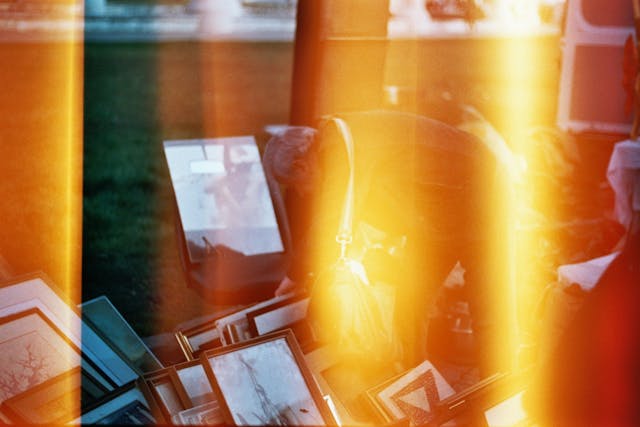
Replacing the light seals is a straightforward and affordable fix that most camera technicians can do. In the meantime, loading and unloading your film in shade rather than direct sunlight can help reduce the impact.
Misexposure
If your frames appear too dark (underexposed) or too bright (overexposed), the amount of light reaching the film wasn't quite right for the conditions. Common causes include an incorrect ISO setting on the camera, a faulty or flat light meter battery, or challenging lighting such as strong backlighting.
.jpg)
Our scanning technicians adjust for exposure during scanning where possible, but there are limits to what can be recovered, particularly with underexposed frames where shadow detail is permanently lost on the negative. A general rule with film is that when you're unsure, it's better to slightly overexpose than underexpose. Film handles extra light much more gracefully than too little.
Camera Malfunction
If our team has flagged a possible camera malfunction, we've noticed patterns on your negatives that suggest a mechanical issue. This can include overlapping frames, partial exposures where only part of the frame is captured, inconsistent exposure across the roll, or fine scratches running through every frame in the same position.
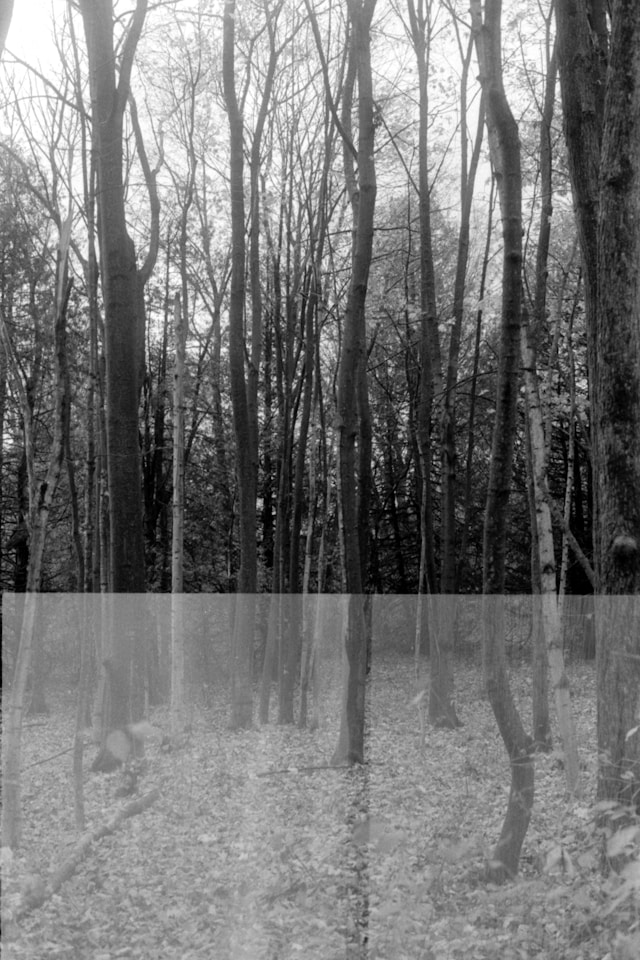
If you're experiencing any of these issues, we'd recommend having your camera inspected before shooting your next roll. A CLA service (clean, lubricate, adjust) from a camera technician resolves most common mechanical problems and is well worth the investment, particularly for vintage or secondhand cameras.
A Note on Our Processing
All of the issues described above are created at the time of shooting inside the camera. They are visible on the physical negatives and are not introduced during development or scanning. Our processing follows manufacturer specifications in a fully light safe environment, and our technicians capture exactly what is on the negative.
Questions About Your Order?
If you've received a notification about any of these issues and would like more detail about your specific roll, please don't hesitate to get in touch. We're always happy to take a closer look at your negatives and help you work out what happened.
You can reach us at 02 8041 7049 during business hours or send us a message through our website.